Columbus Wedding Officiants: Everything Couples Need to Know
Finding the Right Officiant for Your Columbus Wedding
Your wedding ceremony is the moment your celebration becomes a marriage. It is where you share your promises, honor your relationship and invite the people closest to you to witness the beginning of your next chapter. Although the reception may involve more vendors and moving pieces, the ceremony carries a meaning all its own—and the person leading it can shape how the entire experience feels.
Today’s wedding ceremonies can be traditional, religious, secular, spiritual, interfaith or completely personalized. Some couples want a formal ceremony rooted in family traditions, while others imagine something warm, relaxed and filled with stories from their relationship. The right officiant helps transform those ideas into a ceremony that sounds natural and feels true to the couple.
Couples searching for Columbus wedding officiants can find professionals who serve celebrations throughout Central Ohio and beyond. Whether you are planning a large downtown wedding, an outdoor ceremony in the countryside or an intimate gathering with your closest family members, your officiant can help create a comfortable and meaningful experience.
This guide covers what wedding officiants do, why their role matters, how to prepare for consultations and what to consider when selecting the person who will perform your ceremony.
Columbus Wedding Officiants: Quick Facts
- Typical Cost: Pricing varies based on the level of personalization, rehearsal attendance, travel, ceremony writing and additional services.
- Booking Timeline: Begin searching approximately 9–12 months before your wedding, especially for a popular date.
- Popular Ceremony Styles: Personalized, secular, religious, spiritual, interfaith and intimate ceremonies.
- Important Planning Information: Confirm ceremony-writing services, rehearsal attendance, travel policies and marriage license responsibilities before booking.
- Best For: Couples who want a legally recognized ceremony led by someone who can confidently guide the experience.
An experienced officiant does more than read a script. They help set the tone, keep the ceremony moving and create a moment that feels comfortable for the couple and their guests. Start your search by exploring The Best Columbus Wedding Officiants.
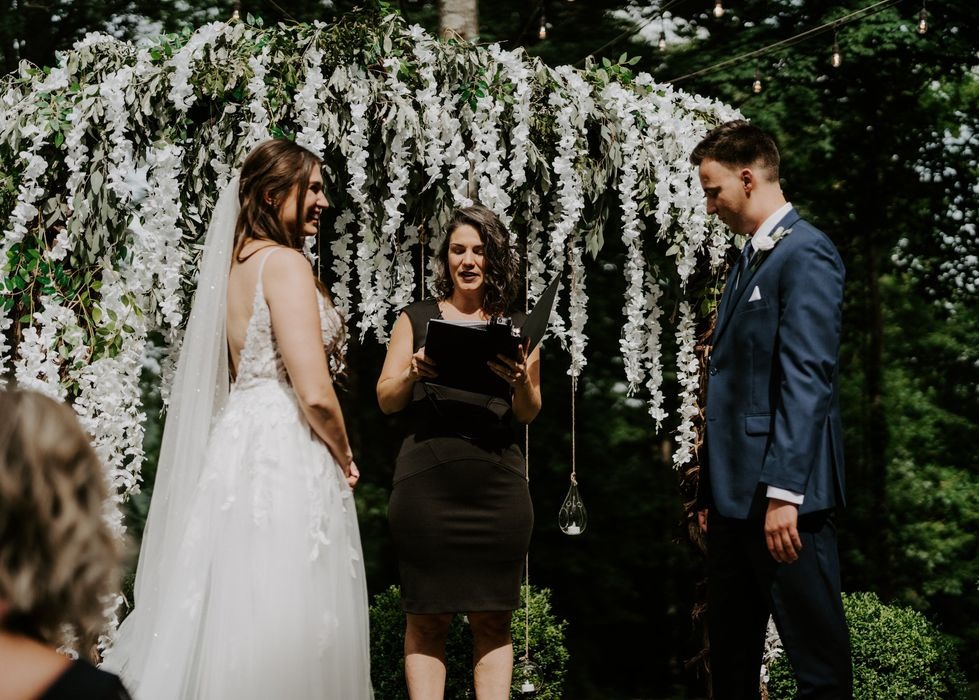
What Is a Wedding Officiant?
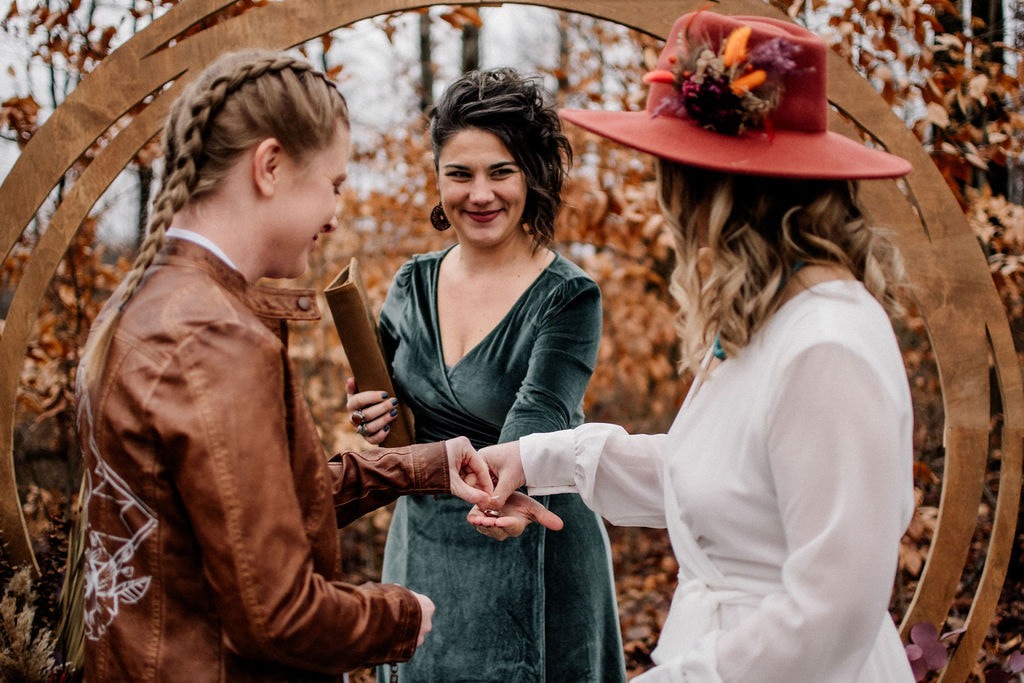
A wedding officiant is the person who leads a couple’s marriage ceremony. They welcome guests, guide the couple through the ceremony, oversee the exchange of vows and rings and pronounce the couple married. They are also responsible for completing the required portions of the marriage license connected to their role.
However, many professional officiants offer support that begins well before the wedding day. They may meet with the couple, learn their relationship story, explain ceremony options and develop a personalized script. Some also provide vow-writing guidance, coordinate the rehearsal and communicate with the wedding planner or venue team.
Professional officiants are experienced in speaking in front of guests and managing the emotional energy of a ceremony. They understand when to slow down, when to give the couple a moment and how to recover calmly if something unexpected happens.
For couples who are unsure where to begin, Our Guide to Booking the Right Wedding Officiant for You explains the primary types of officiants and the early decisions that can help narrow the search.
Why Does a Wedding Officiant Matter?
Your officiant guides one of the most significant parts of the wedding day. Their presence influences the tone of the ceremony, the comfort of the couple and the way guests connect with the moment. A thoughtful officiant can make a large ceremony feel intimate and help a nervous couple feel grounded and prepared.
“Your ceremony should sound like you.” — Amy F. Aurore Weddings
An experienced officiant also supports the logistical side of the ceremony. They can work with your planner to confirm the processional order, communicate with musicians about cues and help everyone understand what will happen during the service. This coordination reduces uncertainty and allows you to stay present rather than worrying about what comes next.
Most importantly, an officiant helps create a ceremony with purpose. The words shared during this part of the day should reflect your relationship, values and vision for marriage—not feel like a generic script with your names added.
Preparing to Meet With a Wedding Officiant
Before speaking with potential officiants, take a few minutes to discuss the ceremony with your partner. You do not need to have every reading or vow selected, but sharing a general vision will make your consultation more productive.
A few simple ways to prepare:
- Decide whether you want a religious, secular, spiritual, interfaith or blended ceremony.
- Discuss the overall tone you envision, such as romantic, traditional, lighthearted or conversational.
- Consider whether you want to write personal vows or repeat traditional ones.
- Make a list of cultural traditions, readings, rituals or family members you may want to include.
- Confirm your wedding date, venue and expected ceremony start time.
- Decide whether you want your officiant to attend or lead the rehearsal.
- Think about how much of your relationship story you feel comfortable sharing during the ceremony.
You do not need to finalize these details before your consultation. Your answers simply give the officiant a starting point for understanding your priorities.
How Do You Choose the Right Wedding Officiant?
Choosing an officiant is both a practical and personal decision. The professional you hire should understand the legal responsibilities of the role, but they should also be someone you trust to represent your relationship in front of your family and friends.
During an introductory call, notice whether the conversation feels natural. A good officiant will ask thoughtful questions, listen carefully and explain how the ceremony-planning process works. You should feel comfortable sharing your story and confident that your preferences will be respected.
Look for:
- A ceremony style that aligns with your vision
- Experience leading weddings similar to yours
- A clear planning and communication process
- Confidence and warmth when speaking
- Willingness to personalize the ceremony
- Respect for your beliefs, identities and traditions
- Clear information about pricing and included services
- A backup plan for emergencies
- Knowledge of marriage license responsibilities
Before booking, review the contract carefully. Confirm payment deadlines, travel fees, cancellation policies, rehearsal services and the number of revisions included for a custom script.
Understanding Wedding Officiant Options
The type of officiant you choose will depend on your beliefs, ceremony setting and desired level of personalization. Understanding the primary options can help you identify the right fit.
Professional Wedding Officiants
Professional wedding officiants specialize in creating and performing marriage ceremonies. They may offer customized scripts, planning questionnaires, ceremony consultations, vow guidance and rehearsal support.
This option works well for couples who want an experienced speaker to guide the ceremony while making the words feel personal. Because a professional officiant regularly performs weddings, they can also anticipate common timing, audio and processional concerns.
Religious Wedding Officiants
Religious ceremonies may be led by a priest, minister, pastor, rabbi or another faith leader. Couples may choose someone from their existing religious community or connect with an officiant who specializes in their faith.
Requirements vary among religious organizations. Some houses of worship require premarital counseling, membership, specific readings or traditional ceremony elements. If you are getting married outside a religious building, confirm whether the officiant can perform the ceremony at your chosen Columbus wedding venue.
Interfaith Wedding Officiants
An interfaith officiant can help couples honor two religious or cultural backgrounds within one cohesive ceremony. They may suggest readings, blessings or traditions that respectfully represent both families.
When interviewing an officiant, explain which traditions are most meaningful to each of you. Ask how they approach interfaith ceremonies and how much flexibility you will have when developing the script.
Secular Wedding Officiants
A secular ceremony does not include religious language or rituals unless the couple requests them. It may instead focus on the couple’s story, shared values, commitments and hopes for marriage.
Secular does not mean impersonal. These ceremonies can be deeply emotional and meaningful because the content is intentionally shaped around the relationship.
A Friend or Family Member
Having a loved one officiate can add a personal connection to the ceremony. This person already knows you and may be able to share stories that resonate with your guests.
However, officiating involves more than reading prepared remarks. The person must understand Ohio’s requirements, feel confident speaking in front of an audience and be prepared to manage the ceremony’s timing. They should also confirm that they are legally authorized to solemnize the marriage.
Couples choosing this option may still benefit from working with a professional ceremony writer or requesting guidance from their wedding planner.
Intimate Ceremonies and Elopements
Elopements and small weddings may call for a shorter ceremony, but they still deserve thoughtful planning. An officiant can create an experience that feels intentional without adding unnecessary formality.
Some professionals offer streamlined packages for elopements, private vow exchanges or simple marriage license signings. Ask what level of personalization is available and whether travel is included.
Writing Your Wedding Ceremony and Vows
Your ceremony script creates the structure for everything guests will hear and experience. While each ceremony is different, many include a welcome, remarks about marriage, the couple’s story, readings, vows, a ring exchange and the pronouncement.
A personalized ceremony does not need to reveal every detail of your relationship. Instead, focus on a few meaningful stories, qualities and shared values. Your officiant can help decide what belongs in the ceremony and what might feel better kept private.
If you plan to write your own vows, begin earlier than you think you need to. Consider what you love about your partner, how your relationship has changed you and what you genuinely want to promise for your marriage. Personal vows can be emotional, funny or simple—as long as they sound authentic.
Discuss the approximate length with your partner so your vows feel balanced. You may also ask your officiant to review them separately and let you know whether the length and tone are similar without revealing what either person wrote.
Coordinating the Ceremony With Your Wedding Team
Your officiant does not work alone. A smooth ceremony depends on communication among your officiant, planner, venue, musicians, photographer and other participating vendors.
Your Columbus wedding planner can help organize the processional, cue each participant and keep the ceremony on schedule. The planner may also lead the rehearsal if your officiant is unavailable.
Your Columbus wedding photographer should understand the ceremony structure and any traditions you are including. This allows them to prepare for important moments such as the processional, ring exchange, first kiss and recessional.
Audio is another important consideration. Your officiant should have access to a microphone that allows every guest to hear the ceremony clearly. Connect the officiant with your Columbus wedding entertainment team before the wedding to confirm microphone placement, music cues and sound checks.
Creating a Memorable Guest Experience
Guests may not remember every word of the ceremony, but they will remember how it made them feel. A warm welcome, thoughtful storytelling and a natural pace can help guests feel connected to the couple and invested in the moment.
Personalization can come from your vows, a meaningful reading or a story that captures your relationship. Couples may also incorporate cultural traditions, live music, a unity ritual or a moment honoring loved ones who cannot be present.
Comfort matters, too. Consider the season, ceremony length, seating and sound. Outdoor ceremonies may require shade, water or a weather backup plan. For any ceremony, clear audio helps guests remain engaged from beginning to end.
The goal is not to add as many elements as possible. A memorable ceremony feels intentional, moves naturally and keeps the couple’s relationship at the center.
Frequently Asked Questions
How Far in Advance Should We Book a Columbus Wedding Officiant?
Begin your search approximately 9–12 months before your wedding. Officiants may book even earlier for popular Saturdays and peak wedding seasons. Browse The Best Columbus Wedding Officiants once your date and venue are confirmed.
How Much Does a Wedding Officiant Cost in Columbus?
Pricing depends on the ceremony’s level of personalization, rehearsal attendance, travel and additional services. A simple signing will generally require less preparation than a fully customized ceremony. Request a complete list of included services before comparing prices.
Can an Officiant Help Us Write Our Vows?
Many professional officiants offer vow guidance, writing prompts or editing assistance. Ask about this during your consultation because the level of support varies. For more preparation tips, read Our Guide to Booking the Right Wedding Officiant for You.
Does Our Officiant Need to Attend the Rehearsal?
Attendance is not always necessary, but it can be helpful for ceremonies with large wedding parties, multiple readings or special traditions. If your officiant will not attend, your planner or venue coordinator may lead the rehearsal.
How Long Should a Wedding Ceremony Last?
Many nonreligious ceremonies last approximately 15–30 minutes. Religious ceremonies or services with multiple traditions may be longer. Focus on including the elements that matter to you rather than reaching a specific length.
Can We Include Religious and Nonreligious Elements?
Yes. Many officiants create blended or interfaith ceremonies that combine religious, cultural and secular elements. Discuss each partner’s beliefs and any family expectations during the consultation.
Who Handles the Marriage License?
Couples are responsible for applying for and obtaining their marriage license. The officiant completes the sections required of them and may return the signed license, depending on their process. Confirm these responsibilities before the wedding.
What Other Vendors Should Coordinate With Our Officiant?
Your planner, venue coordinator, musicians, DJ and photographer should understand the ceremony schedule. Explore our guides to Columbus wedding planners, wedding photography in Columbus and Columbus wedding entertainment as you build your team.
Key Takeaways
- Your officiant leads the ceremony and helps fulfill the legal responsibilities connected to the marriage.
- Begin searching once your wedding date and venue are confirmed.
- Choose a religious, secular, spiritual, interfaith or personalized ceremony style that reflects your relationship.
- Ask about ceremony writing, revisions, vow support, rehearsals, travel and marriage license responsibilities.
- Look for someone whose personality and communication style make you feel comfortable.
- Coordinate your officiant with your planner, photographer, musicians and venue team.
- Personal details can make the ceremony meaningful without making it unnecessarily long.
- Review the officiant’s contract and backup plan before booking.
The right officiant will help you feel prepared leading up to the wedding and supported when it is time to exchange your vows. Give yourself enough time to find someone who understands your relationship and can create the ceremony you want to experience.
Ready to Find Your Columbus Wedding Officiant?
Explore The Best Columbus Wedding Officiants and meet Amy F. Aurore Weddings, a Wed Society | Columbus featured officiant offering personalized, intentional ceremonies for couples throughout Ohio.
Then, continue planning with Our Guide to Booking the Right Wedding Officiant for You and our complete guide to Columbus Wedding Venues.